
As the COVID pandemic is killing thousands and thousands of people worldwide, the need for a vaccine is becoming important day by day. Scientists around the world are working on different strategies to develop a vaccine and some vaccine modules are in the testing phase .
Before we discuss about strategy for the vaccine, let us understand how Spike protein works
The coronavirus (SARS-COV2) contains many structural proteins. However , one specific protein which is of interest is the spike protein (S).
Spike protein (S) is a structural protein present on the surface of the coronavirus , which looks like a crown on top of the virus and hence the name .
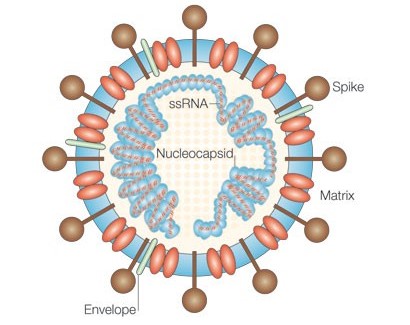
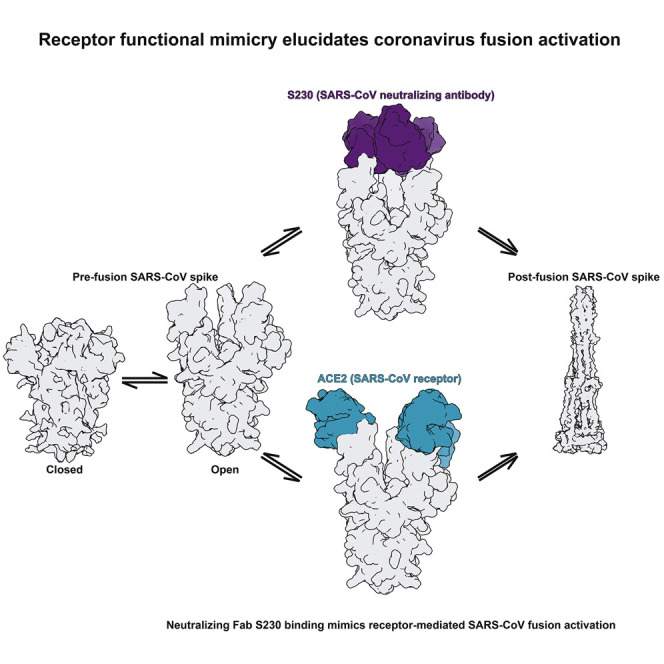
The coronavirus initiates its replication by binding to the human host cells using the Spike protein . The spike protein binds to the human ACE2 receptor present on the surface of the human cell, and initiates a conformational change which leads to entry of the virus inside the host cell.
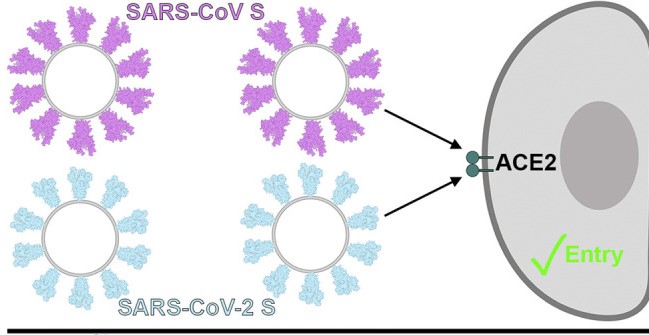
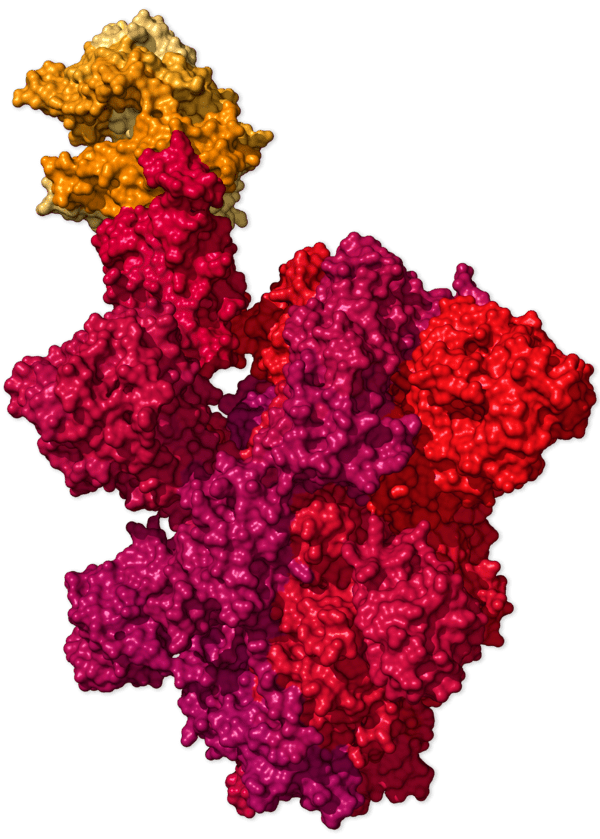
Coronavirus entry into susceptible cells is a complex process that requires the concerted action of receptor-binding and proteolytic processing of the S protein to promote virus-cell fusion.
The S protein contains two functional domains: a receptor binding domain, and a second domain which contains sequences that mediate fusion of the viral and cell membranes. The S glycoprotein must be cleaved by cell proteases to enable exposure of the fusion sequences and hence is needed for cell entry.
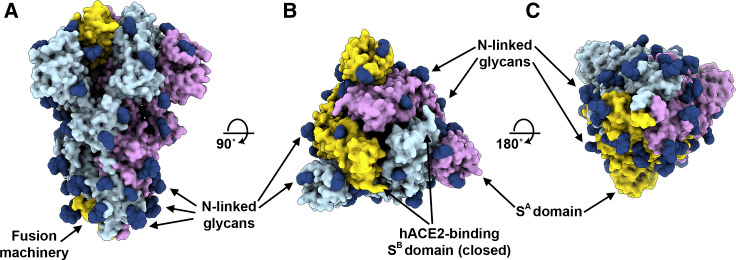
SARS-COV2 spike protein has a furin cleavage site. Furin is an enzyme present in abundant in the lungs.Once the virus gains entry into the respiratory tract , this furin enzyme sets off a chain of reactions which helps the virus to gain access into the host cells.
Furin enzyme activates the spike protein by cleaving the two sub-units of the protein.The two sub-units of the protein are called S1 sub-unit and S2 sub-unit. S1 sub-unit is called the RECEPTOR-BINDING-DOMAIN , which is responsible for binding to the ACE2 receptor .S2 is the fusion machinary responsible for further membrane fusion.
Between these two sites is present a cleavage site called S1/S2 cleavage site.When the furin enzyme binds to this cleavage site , two sub-units becomes active , thus initiating the viral-cell fusion

Furin cleavage site is one of the main reasons why SARS-COV2 became a pandemic and not the other coronaviruses such as SARS and MERS. A specific mutation or specific addition of four amino acids found in the sequence of the SARS-COV2 known as a PRRA sequence which is not found in any other coronaviruses is responsible for SARS-COV2 acquiring a furin cleavage site .
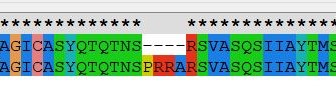
Since furin plays such an important role in activation of the virus leading to its further replication, using protease inhibitors can also prove to be a useful therapeutic option for COVID patients .
Since furin is present in abundance in the host organ system , acquiring this mutation might have helped this zoonotic SARS-COV2 virus in making the leap into the human population.
Why targeting the spike protein is an efficient strategy for development of vaccines ?
Spike protein is present on the surface of the virus and is easily recognizable by the antibodies and other elements of the immune system and hence can be a potential target for development of vaccines and other treatment strategies .
Now, coming to the main question- How can a COVID vaccine be made ?
Vaccines work by the principle of memory of the immune system. When an attenuated form of the virus or a segment of the virus is introduced into the human body , the immune system recognizes this virus and starts producing antibodies for the same . The memory component of the immune system remembers the virus and on subsequent exposure to the same virus leads to a much powerful immune response , thus clearing the infection even without any symptoms of the infection.
The memory B-cells remembers the pathogen and on subsequent exposure and can eliminate the intruder with much greater force.
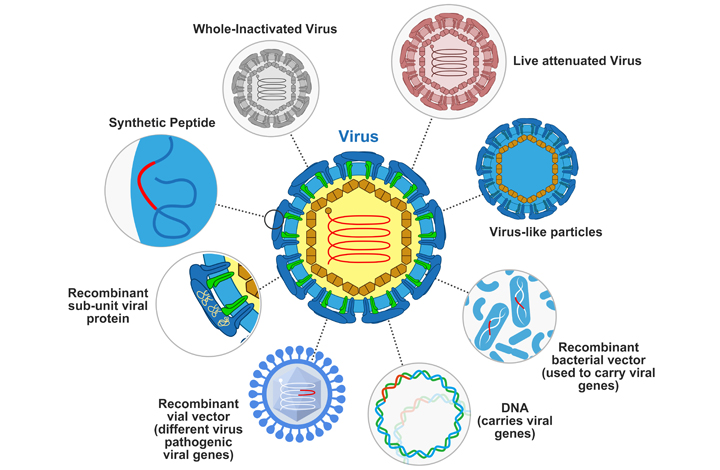
There are however, many techniques used for production of vaccines :
A recombinant vaccine uses a vector (carrier) to present the antigens of the virus to the host immune system, thus triggering an immune response .Common vectors used for this type of vaccine is the Adenovirus.
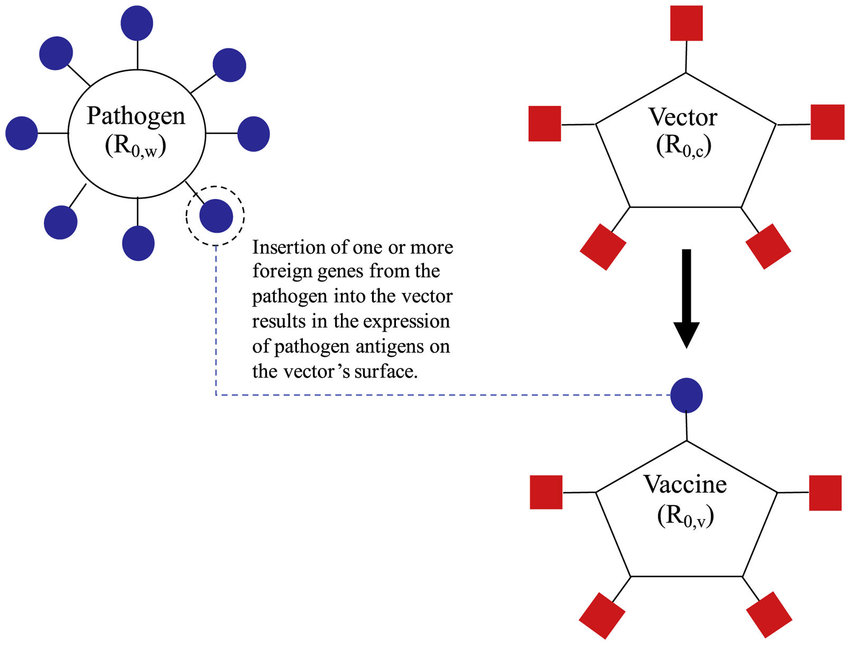
Evolution of vaccine technology has also lead to development of the re-combinant sub-unit vaccines . Recombinant sub-unit vaccines are developed by delivering antigens specific to a part of the virus .
In case of SARS-CoV2 , antigens specific to the spike protein can be produced , purified and presented to the host immune system using vectors . The immune response elicited for this type of vaccine will be precise , as other parts of the virus is not present. Also, since the spike protein is present on the surface of the virus , the immune system can immediately recognize this protein during further infections.
DNA and mRNA vaccines are most popular types of vaccines, as they are easy to produce and are cheaper compared to the other types of vaccines . Nucleic acid vaccination is a technique for protecting against disease by injection with genetically engineered DNA (as a plasmid) or RNA (as mRNA). In contrast to recombinant bacteria or virus vaccines, nucleic acid vaccines consist only of DNA or RNA, which is uptake by cells and transformed into protein.
The naked DNA or the mRNA encoding for the spike protein can be directly injected into the body through injections. The injected mRNA or the DNA After entering the cell, employ the host’s transcriptional and translational machinery to produce the desired gene product. This polypeptide product (spike protein) can then be recognized by the immune system.
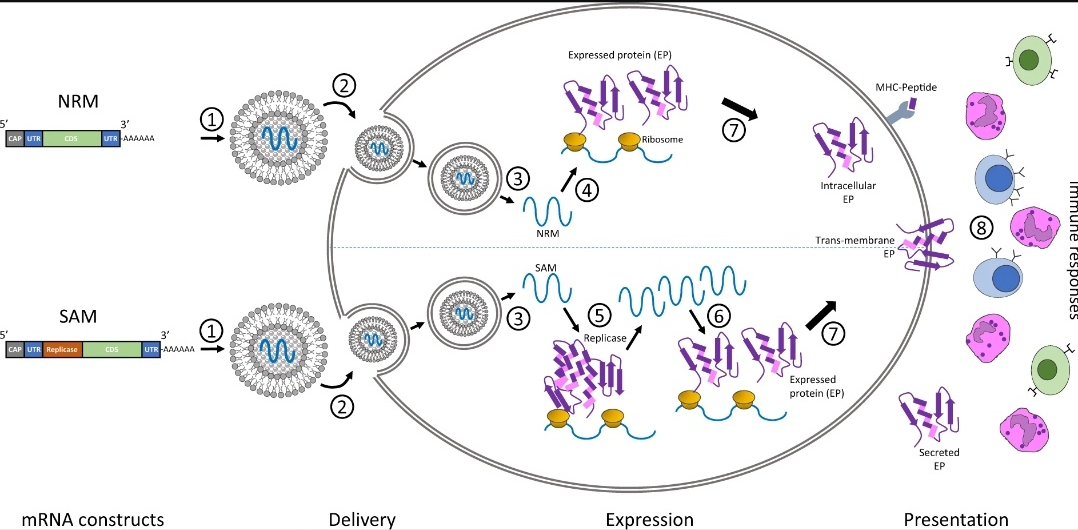
Genetic vaccines are relatively inexpensive and easy to manufacture and use. In contrast to recombinant vaccines , the composition is simple enough and has immunological advantages. Nucleic acid vaccines consist only of DNA or RNA, which is taken up and translated into protein by host cells. Their immunogenicity and efficacy have been analyzed in a large number of systems, and the results of preclinical studies have supported human clinical trials. moderna labs based in california,USA is working on the mRNA vaccines for SARS-CoV2 which is yet to undergo the final clinical testing .
Live-attenuated vaccines and whole-inactivated virus vaccines have also been efficient methods for disease control. Virus in its live form with reduced functionality can be presented to the immune system through vaccines to elicit an immune response .Whole-inactivated virus vaccines consists of deactivated virus being presented to the immune system .
Live-attenuated vaccines however has many limitations. People with weakened immune system or immuno-compromised patients are at higher risk as the live virus might trigger an infection defeating the purpose of the vaccine .
Evidence suggest that the whole-inactivated virus vaccine developed for SARS-CoV2 was successful in developing anti-bodies in the tested patients .The idea of the inactivated vaccine is to reproduce but not cause the disease,producing sufficient antigens for immune system to mount a defensive reaction,thereby clearing subsequent infections by a real virus .
Why development of the COVID vaccine takes a long time compared to other seasonal flu vaccines ?
There are vaccines already available for the virus causing the seasonal flu , so each year when the seasonal flu occurs, it is due to a virus sightly different from the last one . So, development of vaccines require only a slight change to the existing formulation.
For SARS- CoV2 however, there’s no pre-existing vaccines available for any of the other coronavirus and it needs to be formulated right from the scratch . Clinical trials need to be conducted to test the safety and efficacy of any new vaccine candidates which is a time consuming process and might take anywhere between 1-2 years.
Any suggestions and comments can be sent to deepakkarunakaran4@gmail.com

 precisionx.business.blog